
The Rise of Conscious Gatherings: Redesigning the Way We Meet for Collective Impact
In a world where our calendars are cluttered with meetings, offsites, summits, and expos, we’re often left wondering: What did we actually gain from being together? The idea of conscious gathering is part of a larger cultural awakening and a collective realization that how we work and come together matters just as much as why and there are a few elements that are causing the shift:
A Reaction to Burnout Culture
After years of hustle, hyper-productivity, and virtual fatigue - exacerbated by the pandemic - people are no longer willing to show up to spaces that drain them. There’s a growing desire for gatherings that nourish, rather than deplete. People are seeking emotional resonance, not just intellectual stimulation. Conscious gatherings are rooted in rest, reflection, and relationship - a direct response to burnout culture.
A Generational Redefinition of Value
Younger generations - especially Millennials and Gen Z - are prioritizing authenticity, equity, and purpose. They’re rejecting spaces that feel top-down or overly curated. Instead, they crave dialogue over download, co-creation over consumption, and vulnerability over polish. This mindset shift is shaping everything from conference design to team retreats and even weddings.
The Influence of Thought Leaders like Priya Parker and adrienne maree brown
Books like The Art of Gathering (Parker) and Emergent Strategy (brown) have redefined what it means to host and hold space. These thinkers emphasize that gathering is a form of culture work - that every decision (who is included, what is centered, what is de-centered) sends a message about power, belonging, and transformation.
Social Movements and the Push for Equity
The post-2020 racial justice uprisings have forced a reckoning. People are asking:
“Who is this space for, and what are the dominant narratives that helped curate it?”
“Whose voice is prioritized?”
“What harm are we replicating by default?”
Conscious gathering acknowledges that space-holding is political, and works to design with equity at the core, not as an afterthought.
Post-Pandemic Relational Longing
The pandemic fractured how we connect, and with the rise of the loneliness epidemic, conscious gathering is not just a nice to have, it’s infiltrating topics around mental health and well-being. Companies like Hinge are doing more outside of their internal culture to tackle the loneliness epidemic by providing grants to social groups and organizations helping Gen Z find belonging and community in person.
As we slowly returned to in-person spaces, it became clear: we don’t want to go back to “normal.” We want spaces that feel - spaces that move us and allow us to be more whole, more human, more real. This has redefined what “success” looks like for events, meetings, and conferences. It’s not about numbers or clicks; it’s about depth, connection, and resonance.
Lindsey Caplan, Founder at The Gathering Effect mentions that “gatherings aren’t just moments to inform—they’re chances to influence. Especially post-pandemic, the goal isn’t just to reach a room, but to move it: to spark emotion, build buy-in, and drive meaningful action”
A Shift from Performance to Presence
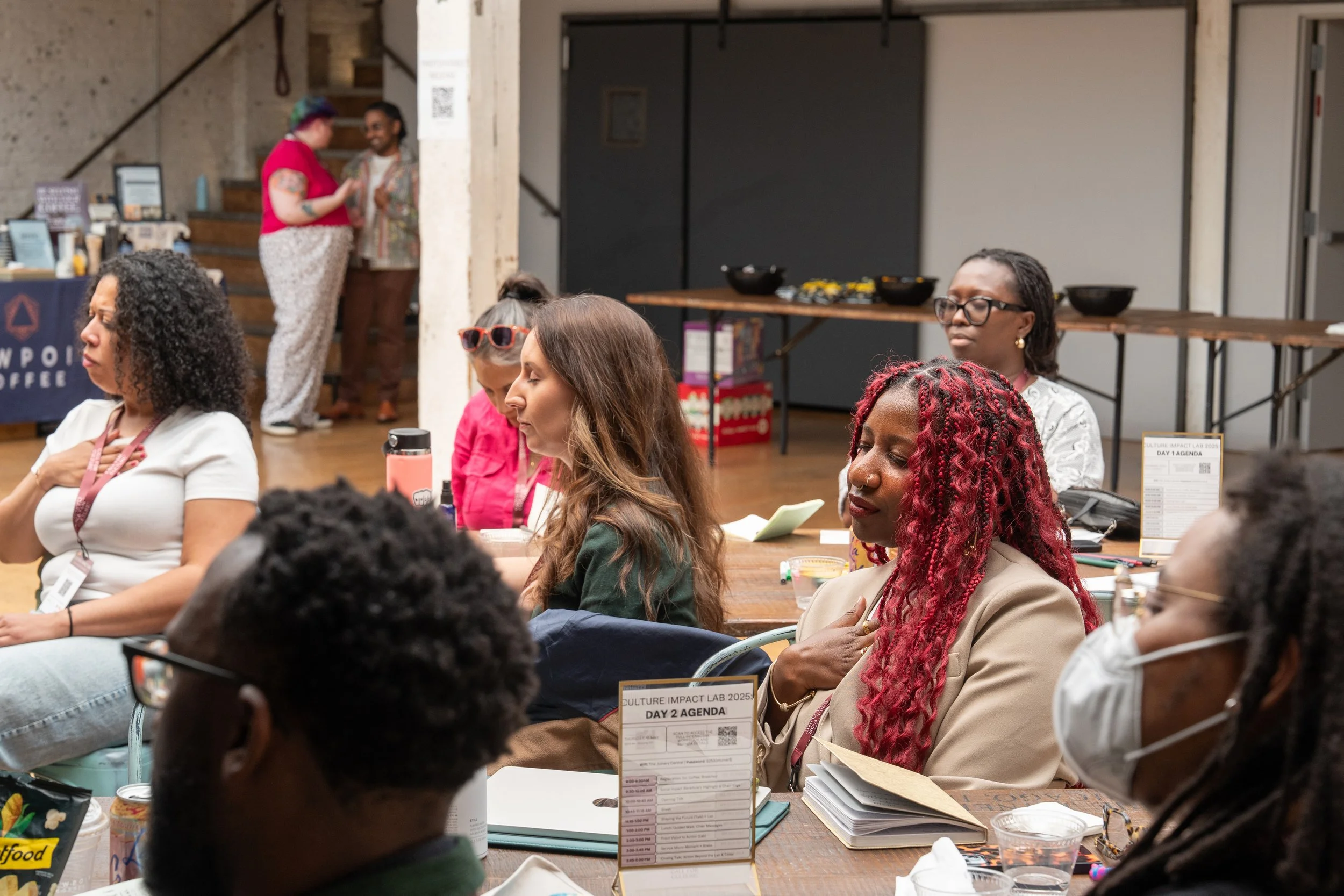
In conscious gatherings, there’s a move away from spectacle and toward authentic presence. Facilitators are not “presenters” but stewards. Participants are not “audiences” but contributors. The goal is not to impress, but to invite people into meaningful experience, reflection, and engagement. Creating spaces just for FOMO (Fear of Missing Out) or to be seen are out.
Making Your Gatherings Count for Collective Impact
Organizations and leaders who embrace conscious gatherings have a lot to gain and have the opportunity to see this shift as a powerful tool for transformation and culture building. Done well, it creates trust, alignment, and momentum that no memo or mandatory meeting ever could. Conscious gatherings create collective impact that reverberates way beyond the actual event, meeting, or gathering itself:
Design for Connection, Not Just Consumption
Intentionally create space for shared experience - not just shared knowledge or information. Sharing knowledge can happen in so many different ways including email, video message, or a voice memo, but connecting ideas and people have a lasting effect. Whether through facilitated dialogues, restorative practices, or co-creation, set up the experience so participants leave not just informed, but transformed.
Honor Lived Experience and Reimagine Leadership
Spend time intentionally thinking about how you can elevate voices from every layer of the system or your workplace - because culture is built from the ground up. Make space for discomfort, storytelling, and the complexities of identity and power, knowing that deeper truths lead to deeper impact. Skip the executive leadership team updates and invite others across the system (employee, customers, community) to share their perspective. Model a gathering that offers a new and refreshing kind of leadership that is collective, emergent, and rooted in integrity. Challenging hierarchy and inviting participants to step into agency, reflection creates a shared ownership of solutions and engagement that goes beyond just listening and consuming.
Center Humanity in the Process
Gatherings shouldn’t be endurance tests. We slow the pace, nourish bodies and minds, and recognize that rest, play, and pause are essential to generative work. We ask not just “what will we do here?” but also “how will we feel while doing it?”
Bottom Line: Build Cultures of Practice, Not Just Moments of Inspiration
The rise of conscious gatherings signals more than a trend - it reflects a cultural turning point. In a time of disconnection, distrust, and disruption, how we come together has become a radical act of care, clarity, and collective power. Whether you’re planning a team offsite, a community event, or a company-wide retreat, the opportunity is clear: move beyond passive attendance and toward intentional design that centers equity, presence, and purpose. When we treat gathering as a form of culture-building, not just logistics, we unlock deeper trust, shared meaning, and sustained impact. The future belongs to those who gather with intention.
Join Us at the Culture Impact Lab
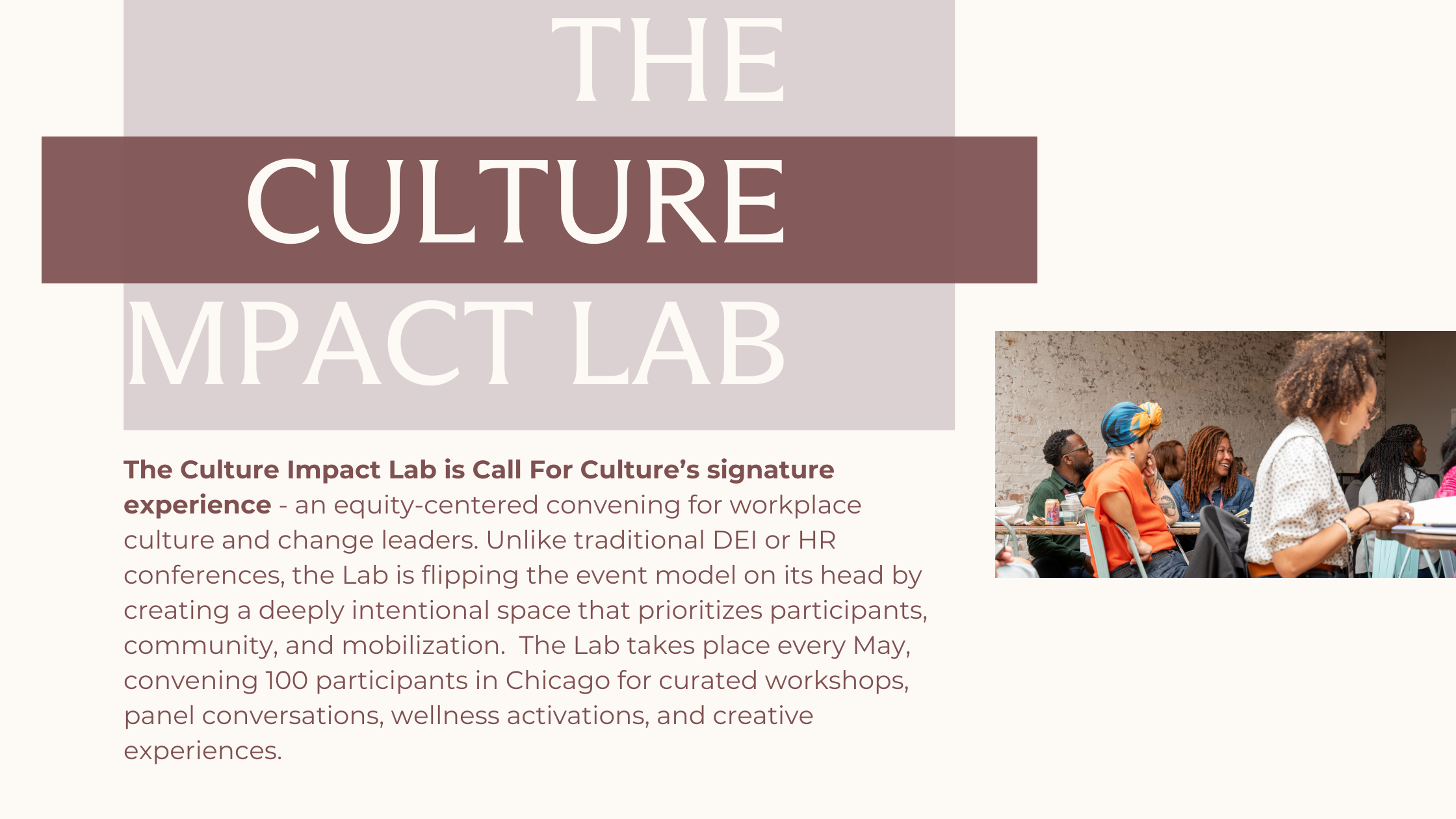
The Culture Impact Lab is Call for Culture 's annual conscious gathering. Register today!